In today’s hyper-connected world, businesses can’t afford to guess what their customers want. Enter CRM-based communication — a game-changing approach that turns data into meaningful, personalized conversations. Let’s dive into how it works and why it’s essential for modern growth.
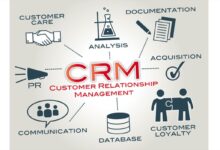
What Is CRM Based Communication?

CRM based communication refers to the strategic use of Customer Relationship Management (CRM) systems to manage, automate, and personalize interactions with customers across multiple channels. It’s not just about sending emails or logging calls — it’s about creating a unified, data-driven dialogue that enhances customer experience and drives loyalty.
The Evolution from Traditional to CRM-Driven Communication
Traditional communication was often one-size-fits-all: mass emails, generic phone scripts, and reactive support. Today, customers expect relevance, speed, and personalization. CRM based communication bridges this gap by leveraging real-time data, behavioral insights, and automation to deliver timely, context-aware messages.
- Pre-CRM era: Manual tracking, fragmented data, delayed responses.
- Modern CRM: Centralized databases, AI-powered insights, omnichannel engagement.
- Result: Higher satisfaction, reduced churn, and increased conversion rates.
How CRM Systems Enable Smarter Communication
A CRM system acts as the central nervous system of customer interaction. It collects data from emails, social media, website visits, purchase history, and support tickets, then uses that data to trigger personalized messages. For example, if a customer abandons a cart, the CRM can automatically send a follow-up email with a discount code.
“CRM isn’t just a tool — it’s a strategy for building relationships at scale.” — Salesforce Research
7 Key Benefits of CRM Based Communication
Implementing CRM based communication isn’t just a tech upgrade — it’s a business transformation. Here are seven powerful advantages that organizations gain when they harness this approach.
1. Personalization at Scale
One of the biggest strengths of CRM based communication is the ability to personalize messages for thousands — even millions — of customers simultaneously. By segmenting users based on behavior, demographics, or lifecycle stage, businesses can send hyper-relevant content.
- Dynamic email content that changes based on user preferences.
- Product recommendations powered by past purchases.
- Birthday or anniversary messages with special offers.
According to Salesforce’s State of the Connected Customer report, 76% of customers expect consistent interactions across departments, and 73% expect companies to understand their unique needs and expectations.
2. Improved Customer Retention
Retaining a customer is up to five times cheaper than acquiring a new one. CRM based communication helps nurture long-term relationships by tracking customer satisfaction, predicting churn, and triggering proactive outreach.
- Automated check-ins after a support ticket is closed.
- Win-back campaigns for inactive users.
- Feedback loops that inform product development.
Tools like HubSpot and Zoho CRM use predictive analytics to flag at-risk customers, allowing teams to intervene before they leave.
3. Enhanced Sales Efficiency
Sales teams spend nearly a third of their time on administrative tasks. CRM based communication automates follow-ups, tracks lead engagement, and prioritizes high-value prospects.
- Auto-scheduling follow-up emails after a demo call.
- Lead scoring based on email opens, link clicks, and website visits.
- Real-time alerts when a prospect downloads a whitepaper.
This reduces manual effort and ensures no opportunity slips through the cracks.
4. Seamless Omnichannel Experience
Customers interact via email, chat, social media, phone, and more. CRM based communication integrates all these channels into a single view, ensuring consistency no matter how or where a customer reaches out.
- Chatbot responses informed by past support history.
- Social media replies that reference previous purchases.
- Call center agents seeing a complete interaction timeline.
Platforms like Microsoft Dynamics 365 offer unified communication hubs that sync data across email, Teams, and LinkedIn.
5. Data-Driven Decision Making
CRM systems generate rich analytics on customer behavior, campaign performance, and team productivity. This data empowers leaders to refine strategies and allocate resources effectively.
- Identifying which email subject lines drive the most opens.
- Measuring response times and resolution rates.
- Tracking the ROI of marketing campaigns.
With dashboards and custom reports, decision-makers gain real-time visibility into what’s working — and what’s not.
6. Faster Response Times
In the age of instant gratification, speed matters. CRM based communication enables automated responses, intelligent routing, and AI-powered chatbots that reduce wait times.
- Instant acknowledgment emails after form submissions.
- Chatbots resolving common queries 24/7.
- Ticket escalation rules based on urgency or customer tier.
According to Zendesk’s Customer Experience Trends Report, 62% of customers expect companies to respond within an hour — a benchmark only achievable with automation and CRM integration.
7. Stronger Internal Collaboration
CRM based communication breaks down silos between sales, marketing, and support teams. Everyone accesses the same customer data, ensuring alignment and reducing miscommunication.
- Marketing shares lead engagement data with sales.
- Support logs issues that inform product updates.
- Sales provides feedback that shapes messaging.
This cross-functional transparency leads to a more cohesive customer journey.
How CRM Based Communication Works: The Technical Backbone
Understanding the mechanics behind CRM based communication helps organizations implement it effectively. It’s not magic — it’s a combination of data, automation, and integration.
Data Collection and Centralization
The foundation of any CRM system is data. This includes contact information, interaction history, transaction records, website behavior, and even sentiment analysis from support calls.
- APIs pull data from e-commerce platforms, social media, and email providers.
- Tracking pixels monitor user activity on websites.
- Forms and surveys capture explicit preferences.
Once collected, this data is stored in a centralized database, creating a 360-degree customer view.
Automation and Workflow Triggers
CRM systems use rules-based automation to initiate communication. These workflows are triggered by specific actions or milestones.
- Trigger: Customer signs up → Action: Send welcome email + assign onboarding task.
- Trigger: Cart abandonment → Action: Send reminder email after 1 hour.
- Trigger: 30-day anniversary → Action: Offer loyalty discount.
Advanced CRMs like Pipedrive and ActiveCampaign allow visual workflow builders, making automation accessible even to non-technical users.
Integration with Communication Channels
For CRM based communication to be effective, it must connect with the channels customers use. This includes email, SMS, live chat, social media, and voice.
- Email integration with Gmail, Outlook, or transactional services like SendGrid.
- SMS gateways for time-sensitive alerts.
- Live chat tools like Intercom or Drift embedded in websites.
These integrations ensure messages are delivered where customers are most active.
Top CRM Platforms for Effective Communication
Not all CRM systems are created equal. Some are built for sales, others for marketing, and some offer full-suite customer engagement. Here’s a look at the top platforms enabling powerful CRM based communication.
Salesforce: The Industry Leader
Salesforce is the most widely used CRM globally, known for its scalability and deep customization. Its Marketing Cloud and Service Cloud modules enable sophisticated CRM based communication strategies.
- Personalized email journeys with Journey Builder.
- AI-powered recommendations via Einstein Analytics.
- Omni-channel service with chat, phone, and social support.
Learn more at salesforce.com.
HubSpot: User-Friendly and Integrated
HubSpot excels in ease of use and seamless integration between marketing, sales, and service hubs. It’s ideal for small to mid-sized businesses looking to implement CRM based communication without heavy IT involvement.
- Drag-and-drop email editor with personalization tokens.
- Automated workflows based on website behavior.
- Free CRM with robust communication features.
Explore HubSpot at hubspot.com.
Microsoft Dynamics 365: Enterprise Powerhouse
Dynamics 365 combines CRM and ERP capabilities, making it a top choice for large enterprises. Its integration with Microsoft 365 and Teams enhances internal and external communication.
- AI-driven insights for customer service agents.
- Unified interface for email, chat, and calls.
- Deep integration with Power BI for analytics.
Visit microsoft.com/dynamics365 for details.
Best Practices for Implementing CRM Based Communication
Deploying a CRM system is just the beginning. To truly leverage CRM based communication, organizations must follow best practices that ensure adoption, accuracy, and impact.
Start with Clear Goals and KPIs
Before implementation, define what success looks like. Are you aiming to increase customer retention by 20%? Reduce response time to under 15 minutes? Improve email open rates?
- Set SMART goals (Specific, Measurable, Achievable, Relevant, Time-bound).
- Align CRM objectives with overall business strategy.
- Track KPIs like Customer Lifetime Value (CLV), Net Promoter Score (NPS), and First Response Time.
Ensure Data Quality and Hygiene
Garbage in, garbage out. A CRM is only as good as the data it contains. Regularly clean and update records to avoid sending messages to outdated emails or incorrect names.
- Deduplicate contacts to prevent spam complaints.
- Use validation rules to enforce data standards.
- Schedule quarterly data audits.
“Data quality is not a one-time project — it’s an ongoing discipline.” — Gartner
Train Teams and Encourage Adoption
Even the best CRM fails if employees don’t use it. Provide comprehensive training and create incentives for consistent usage.
- Role-based training for sales, marketing, and support teams.
- Leadership modeling of CRM usage.
- Recognition programs for top CRM contributors.
Respect Privacy and Compliance
With great data comes great responsibility. Ensure your CRM based communication complies with regulations like GDPR, CCPA, and CAN-SPAM.
- Obtain explicit consent before sending marketing messages.
- Provide easy opt-out options in every email.
- Encrypt sensitive customer data.
Non-compliance can lead to fines and reputational damage.
Common Challenges and How to Overcome Them
While CRM based communication offers immense benefits, organizations often face hurdles during implementation and operation.
Data Silos and Integration Issues
Many companies have data scattered across spreadsheets, legacy systems, and departmental tools. This fragmentation undermines CRM effectiveness.
- Solution: Use middleware like Zapier or MuleSoft to connect disparate systems.
- Solution: Prioritize API-first CRM platforms for easier integration.
- Solution: Appoint a data governance team to oversee unification.
Resistance to Change
Employees may resist adopting a new CRM due to fear of complexity or added workload.
- Solution: Involve users in the selection process.
- Solution: Start with a pilot group and scale gradually.
- Solution: Highlight time-saving benefits with real examples.
Over-Automation and Impersonal Touch
While automation is powerful, overuse can make communication feel robotic and impersonal.
- Solution: Balance automation with human touchpoints for high-value customers.
- Solution: Use natural language and conversational tone in automated messages.
- Solution: Allow customers to opt into or out of automated sequences.
Future Trends in CRM Based Communication
The world of CRM is evolving rapidly, driven by AI, machine learning, and changing customer expectations. Staying ahead requires awareness of emerging trends.
AI-Powered Predictive Communication
Future CRM systems won’t just react — they’ll anticipate. AI will predict when a customer is likely to churn, what product they’ll want next, or when they’re ready to buy.
- Predictive lead scoring with higher accuracy.
- Automated content generation for emails and chatbots.
- Sentiment analysis to detect frustration in real-time.
Companies like Salesforce and Oracle are already embedding AI deeply into their CRM offerings.
Hyper-Personalization with Real-Time Data
Personalization will go beyond using a first name. CRMs will leverage real-time location, weather, device, and behavioral data to deliver context-aware messages.
- Send a discount when a customer is near a store.
- Adjust website content based on browsing history.
- Offer raincoat recommendations during a downpour.
Voice and Conversational CRM
With the rise of voice assistants and messaging apps, CRM based communication will increasingly happen through voice and chat interfaces.
- CRM-integrated voice bots for customer service.
- WhatsApp and Telegram as official support channels.
- Voice analytics to extract insights from calls.
This shift demands CRMs that can process unstructured data and support natural language interactions.
Real-World Examples of CRM Based Communication Success
Theory is great, but real-world results speak louder. Here are three companies that transformed their customer engagement through CRM based communication.
Spotify: Personalized Playlists and Engagement
Spotify uses its CRM-like data engine to deliver hyper-personalized experiences. Its “Discover Weekly” and “Wrapped” campaigns are powered by user behavior analysis.
- Tracks listening habits, skips, and saves.
- Uses algorithms to recommend new music.
- Sends personalized year-end summaries that go viral.
This CRM based communication strategy has helped Spotify retain over 400 million users.
Amazon: Anticipatory Shipping and Proactive Support
Amazon’s CRM system predicts what customers will buy and even pre-emptively ships items to nearby warehouses. Their communication is equally predictive.
- Sends order confirmation, shipping updates, and delivery notifications automatically.
- Offers proactive returns for damaged items.
- Recommends products based on browsing and purchase history.
This seamless flow keeps customers informed and engaged at every step.
Delta Airlines: Seamless Travel Experience
Delta uses CRM based communication to enhance the passenger journey — from booking to baggage claim.
- Sends flight updates, gate changes, and boarding alerts via app and SMS.
- Offers rebooking options during delays.
- Tracks customer preferences (e.g., seat choice, meal type).
According to Delta, this approach has improved customer satisfaction scores by 18% over three years.
What is CRM based communication?
CRM based communication is the use of Customer Relationship Management systems to manage, automate, and personalize interactions with customers across channels. It leverages data to deliver timely, relevant messages that improve engagement and loyalty.
How does CRM improve customer communication?
CRM improves communication by centralizing customer data, enabling personalization, automating responses, and providing insights for better decision-making. It ensures consistent, timely, and relevant interactions across email, chat, phone, and social media.
Which CRM platforms are best for communication?
Salesforce, HubSpot, and Microsoft Dynamics 365 are among the top platforms for CRM based communication. Each offers robust tools for email marketing, automation, omnichannel support, and analytics.
Can small businesses benefit from CRM based communication?
Absolutely. Many CRM platforms offer affordable or free tiers for small businesses. Tools like HubSpot CRM and Zoho CRM provide essential communication features without requiring a large team or budget.
Is CRM based communication compliant with privacy laws?
Yes, as long as businesses follow regulations like GDPR and CCPA. This includes obtaining consent, allowing opt-outs, securing data, and being transparent about data usage. Most modern CRMs include built-in compliance tools.
CRM based communication is no longer a luxury — it’s a necessity for businesses that want to build lasting relationships in a digital world. From personalization and automation to omnichannel engagement and predictive insights, it empowers organizations to communicate smarter, faster, and more effectively. By choosing the right platform, following best practices, and staying ahead of trends, companies can turn every interaction into an opportunity to delight customers and drive growth.
Further Reading:
