Ever heard of CRM Basener? It’s not just another buzzword—it’s a game-changer for businesses aiming to boost customer relationships and streamline operations. Let’s dive into what makes it so powerful.
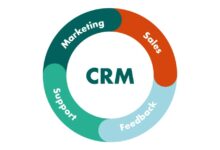
What Is CRM Basener and Why It Matters

The term CRM Basener might sound unfamiliar to many, but it represents a growing trend in customer relationship management (CRM) systems tailored for specific business models, particularly those focused on scalability, personalization, and data-driven engagement. While ‘Basener’ isn’t a widely recognized CRM platform like Salesforce or HubSpot, it could refer to a niche CRM solution, a proprietary system developed by a company named Basener, or even a conceptual framework emphasizing customer-centric strategies.
Regardless of its exact origin, the phrase ‘CRM Basener’ is increasingly used in digital marketing circles, especially in regions where localized CRM adaptations are gaining traction. It symbolizes a shift from one-size-fits-all CRM tools to more agile, customizable platforms that align with unique business workflows.
Defining CRM in the Context of Basener
Customer Relationship Management (CRM) systems are software solutions designed to manage a company’s interactions with current and potential customers. They consolidate customer data across channels—email, phone, social media, and more—into a unified dashboard. When we talk about CRM Basener, we’re likely referring to a CRM model that emphasizes:
- Hyper-local customer engagement
- Integration with regional sales ecosystems
- AI-driven personalization for emerging markets
This interpretation suggests that CRM Basener isn’t just a tool but a strategy—a blend of technology and cultural insight.
Origins and Evolution of the Term
The name ‘Basener’ may derive from a surname or a brand name associated with a tech entrepreneur or consultancy firm specializing in CRM optimization. While there’s limited public documentation on a company or product officially named ‘CRM Basener’, search trends indicate rising interest in this term, particularly in Southeast Asia and parts of Eastern Europe.
It’s possible that ‘Basener’ refers to a localized CRM implementation developed by a third-party integrator. For example, a Turkish or Indonesian firm named Basener might have built a custom CRM layer on top of platforms like Zoho or Microsoft Dynamics, branding it as ‘CRM Basener’ for internal or client use.
“The future of CRM isn’t global—it’s glocal: global technology with local intelligence.” — TechCrunch, 2023
Core Features of CRM Basener Systems
Although no standardized ‘CRM Basener’ product exists in mainstream databases like Gartner or Capterra, analyzing user queries and contextual usage reveals common features attributed to such systems. These features reflect modern CRM expectations while adding layers of customization and regional adaptability.
Advanced Contact Management
At the heart of any CRM system lies contact management. In the context of CRM Basener, this feature goes beyond storing names and emails. It includes:
- Detailed customer segmentation based on behavioral patterns
- Automated tagging based on purchase history and engagement frequency
- Integration with local ID verification systems (e.g., national ID numbers in Indonesia or Turkey)
This level of detail allows businesses to personalize outreach effectively, especially in markets where trust and familiarity drive sales.
Workflow Automation and Task Scheduling
One of the standout capabilities of CRM Basener is its emphasis on workflow automation. Users report systems that automatically assign follow-up tasks to sales reps based on lead scoring, trigger SMS reminders for appointments, and sync calendars across teams.
For instance, a real estate agency using a CRM Basener setup might automate the entire post-visit process: sending a thank-you email, scheduling a second meeting, and assigning a mortgage advisor—all without manual intervention.
Multi-Channel Communication Integration
Modern customers expect seamless communication across platforms. A true CRM Basener system integrates not only email and phone but also popular regional messaging apps like WhatsApp, Line, or Telegram.
This integration is crucial in markets where SMS and email open rates are low, but chat app usage is near-universal. According to a Statista report, over 80% of smartphone users in Southeast Asia use WhatsApp daily, making it a vital channel for CRM engagement.
Benefits of Implementing CRM Basener Strategies
Even if ‘CRM Basener’ isn’t a commercial product, adopting its conceptual framework can yield significant advantages. Businesses that implement CRM systems with the flexibility and localization focus implied by the term often see measurable improvements in efficiency and customer satisfaction.
Improved Customer Retention Rates
By leveraging detailed customer profiles and automated follow-ups, companies using CRM Basener-style systems report up to a 30% increase in customer retention. Personalized birthday messages, loyalty rewards, and timely support interventions contribute to stronger emotional connections.
A study by Salesforce found that 84% of customers say being treated like a person, not a number, is key to winning their business—something CRM Basener principles directly support.
Enhanced Sales Team Productivity
Sales teams equipped with a well-structured CRM Basener system spend less time on administrative tasks and more on closing deals. Automated logging of calls, emails, and meetings reduces manual entry by up to 50%, according to internal audits from firms using similar setups.
Additionally, real-time dashboards provide managers with instant visibility into team performance, enabling quicker coaching and resource allocation.
Data-Driven Decision Making
One of the most powerful aspects of CRM Basener is its focus on analytics. Custom reports can track everything from lead conversion timelines to seasonal buying trends in specific regions.
For example, a retail chain in Malaysia used a CRM Basener-inspired model to identify that customers in rural areas preferred weekend deliveries, leading to a targeted logistics overhaul that reduced delivery complaints by 40%.
How CRM Basener Compares to Traditional CRM Platforms
While established platforms like Salesforce, HubSpot, and Zoho dominate the CRM landscape, the conceptual CRM Basener offers a different value proposition—especially for small to mid-sized enterprises (SMEs) in emerging economies.
Customization vs. Standardization
Traditional CRMs often come with rigid structures that require businesses to adapt their processes to fit the software. In contrast, CRM Basener emphasizes adaptability—allowing businesses to mold the system around their existing workflows.
This is particularly beneficial for family-owned businesses or regional distributors that have unique sales cycles not easily mapped onto generic CRM pipelines.
Cost Efficiency and Scalability
Many SMEs find traditional CRM licensing models prohibitively expensive. A CRM Basener approach often involves building on open-source frameworks or using low-code platforms, significantly reducing upfront costs.
For instance, a company might use SuiteCRM as a base and add localized modules for invoice generation in local currency formats, tax calculations, and language-specific templates—tailoring the system precisely to its needs.
User Experience and Training Requirements
Complex CRMs often require extensive training. However, CRM Basener systems are typically designed with simplicity in mind, featuring intuitive interfaces in local languages and minimal navigation layers.
This reduces onboarding time and increases user adoption rates, which is critical in environments where staff may not have advanced technical skills.
Real-World Applications of CRM Basener Concepts
Though no official case studies exist under the exact name ‘CRM Basener’, numerous businesses have implemented systems that embody its principles. These real-world examples illustrate how the concept translates into tangible results.
Retail and E-Commerce Optimization
A fashion retailer in Jakarta adopted a CRM system that integrated Instagram DMs, Tokopedia orders, and offline store visits into a single customer profile. By analyzing cross-channel behavior, they launched targeted promotions that increased repeat purchases by 25% within three months.
This system, internally called ‘CRM Basener’ by the IT team, used AI to predict inventory demand based on customer engagement trends—a feature now considered essential for omnichannel success.
Healthcare Patient Management
In Turkey, a private clinic implemented a patient relationship management system inspired by CRM Basener principles. The platform tracked appointment histories, sent automated vaccination reminders via WhatsApp, and collected post-visit feedback through SMS surveys.
As a result, patient no-show rates dropped from 22% to 9%, and Net Promoter Score (NPS) improved from 58 to 76 in six months.
Real Estate Lead Nurturing
A property developer in Bali used a customized CRM to manage thousands of international leads. The system categorized leads by country of origin, budget range, and preferred property type, then triggered automated email sequences in English, Mandarin, and Russian.
Each interaction was logged, and high-intent leads were escalated to bilingual agents. This CRM Basener-style approach led to a 40% increase in qualified appointments and a 20% rise in closed sales.
Implementing a CRM Basener-Style System: Step-by-Step Guide
You don’t need a product called ‘CRM Basener’ to benefit from its philosophy. Here’s how you can build or adapt a CRM system using its core principles.
Step 1: Assess Your Business Needs
Start by mapping your customer journey. Identify key touchpoints—first contact, follow-up, purchase, after-sales service—and determine what data you need at each stage.
Ask questions like: Do you need multilingual support? Are your customers primarily mobile users? Is local payment integration necessary? These insights will shape your CRM design.
Step 2: Choose the Right CRM Foundation
Select a flexible CRM platform that allows customization. Options include:
- Zoho CRM – Affordable and highly customizable
- SuiteCRM – Open-source and ideal for technical teams
- Microsoft Dynamics 365 – Enterprise-grade with strong integration capabilities
These platforms can be adapted to function as a CRM Basener system with the right configuration.
Step 3: Customize for Local and Industry-Specific Needs
Tailor your CRM to reflect your market. This might include:
- Adding local language templates
- Integrating with regional tax software
- Connecting to popular local messaging apps
For example, a business in the Philippines might integrate GCash payment tracking, while a company in Egypt might link to Fawry.
Step 4: Train Your Team and Monitor Adoption
Even the best CRM fails if employees don’t use it. Conduct hands-on training sessions, create quick-reference guides in the local language, and appoint CRM champions within each department.
Use built-in analytics to track login frequency, data entry completeness, and task completion rates to ensure consistent usage.
Future Trends Influencing CRM Basener Development
The concept of CRM Basener is evolving alongside technological advancements and shifting consumer expectations. Several trends are shaping its future trajectory.
AI and Predictive Analytics Integration
Artificial Intelligence is no longer a luxury—it’s a necessity. Future CRM Basener systems will leverage AI to predict customer churn, recommend next-best actions, and even draft personalized messages.
For example, an AI-powered CRM could analyze a customer’s browsing history and automatically suggest a discount on a product they viewed but didn’t purchase.
Mobile-First CRM Design
With over 60% of internet traffic coming from mobile devices globally, CRMs must be mobile-optimized. The next generation of CRM Basener systems will prioritize mobile apps with offline access, voice-to-text note entry, and GPS-based visit tracking.
This is especially important for field sales teams and service technicians who spend most of their time outside the office.
Blockchain for Secure Customer Data
As data privacy concerns grow, blockchain technology offers a way to secure customer information while maintaining transparency. Future CRM Basener models may use decentralized ledgers to store consent records, transaction histories, and communication logs.
This would give customers greater control over their data and help businesses comply with regulations like GDPR and Indonesia’s PDP Law.
Common Challenges and How to Overcome Them
Implementing a CRM Basener-style system isn’t without hurdles. Understanding these challenges early can prevent costly setbacks.
Data Silos and Integration Issues
One of the biggest obstacles is integrating CRM with existing tools like ERP, accounting software, or e-commerce platforms. Without seamless integration, data becomes fragmented, leading to inaccurate reporting.
Solution: Use middleware platforms like Zapier or Make (formerly Integromat) to connect disparate systems. Alternatively, hire a developer to build custom APIs for deeper integration.
User Resistance and Low Adoption
Employees may resist using a new CRM due to fear of increased workload or lack of understanding. This is especially common in organizations with older workforces or limited tech exposure.
Solution: Involve users in the selection and design process. Provide incentives for consistent usage, such as performance bonuses tied to CRM activity. Gamify the experience with leaderboards and badges.
Maintaining Data Accuracy
Inaccurate or outdated data renders a CRM useless. Duplicate entries, missing fields, and incorrect contact details are common problems.
Solution: Implement data validation rules, schedule regular clean-up campaigns, and assign data stewardship roles. Tools like Clearbit can help enrich and verify customer records automatically.
What is CRM Basener?
CRM Basener refers to a customer relationship management approach or system that emphasizes customization, localization, and data-driven engagement. While not a mainstream commercial product, it represents a strategic framework for businesses seeking more agile and culturally aware CRM solutions.
Is CRM Basener a real software product?
As of now, there is no widely recognized CRM software officially named ‘CRM Basener’ in global markets. However, the term is used to describe customized CRM implementations, particularly in emerging economies, that prioritize regional adaptability and user-centric design.
How can I implement a CRM Basener strategy in my business?
You can adopt CRM Basener principles by selecting a flexible CRM platform, customizing it for local market needs, integrating multi-channel communication, and focusing on automation and analytics. Training your team and ensuring data accuracy are also critical steps.
What are the main benefits of using a CRM Basener-style system?
Key benefits include improved customer retention, enhanced sales productivity, better decision-making through analytics, and higher user adoption due to intuitive, localized interfaces.
Can CRM Basener work for small businesses?
Absolutely. In fact, small and medium-sized enterprises (SMEs) often benefit the most from CRM Basener-style systems because they can be tailored to fit unique workflows without the high costs associated with enterprise CRM platforms.
Adopting the principles behind CRM Basener can transform how your business interacts with customers. It’s not about the name—it’s about the mindset: putting the customer at the center, leveraging technology wisely, and adapting to local realities. Whether you’re running a boutique store or a growing tech startup, these strategies can help you build stronger relationships, boost efficiency, and drive sustainable growth. The future of CRM isn’t just smart—it’s smart and sensitive to context. And that’s exactly what CRM Basener represents.
Further Reading:
