In today’s fast-paced business world, sales based marketing is more than just a strategy—it’s a necessity. By aligning marketing efforts directly with sales goals, companies can boost conversions, shorten sales cycles, and maximize ROI like never before.
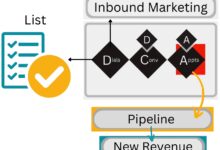
What Is Sales Based Marketing and Why It Matters

Sales based marketing is a strategic approach where marketing activities are designed and executed with the primary goal of generating measurable sales outcomes. Unlike traditional marketing, which often focuses on brand awareness or engagement, sales based marketing zeroes in on lead conversion, customer acquisition, and revenue generation.
Defining Sales Based Marketing
Sales based marketing is not just about pushing products—it’s about creating a seamless bridge between marketing initiatives and the sales funnel. This model emphasizes data-driven campaigns, targeted messaging, and performance tracking to ensure every marketing dollar contributes directly to closing deals.
- It integrates marketing and sales teams to align goals and KPIs.
- Focuses on high-intent audiences ready to buy.
- Uses analytics to measure ROI in terms of actual sales, not just clicks or impressions.
“Sales based marketing turns brand messages into revenue engines.” — HubSpot, State of Inbound Report
How It Differs from Traditional Marketing
Traditional marketing often prioritizes long-term brand building, broad audience reach, and awareness. In contrast, sales based marketing is tactical, short-to-medium term focused, and built around conversion metrics.
- Traditional marketing: “Let’s get our name out there.”
- Sales based marketing: “Let’s get qualified leads into the sales pipeline.”
- While traditional marketing might measure success by social media likes, sales based marketing tracks cost per acquisition (CPA), lead-to-customer conversion rate, and average deal size.
This shift in focus allows businesses to respond quickly to market changes and optimize campaigns in real time based on sales data.
The Core Principles of Sales Based Marketing
To implement sales based marketing effectively, organizations must adhere to a set of core principles that ensure alignment, accountability, and agility. These principles form the foundation of any successful revenue-focused marketing strategy.
Alignment Between Sales and Marketing Teams
One of the most critical elements of sales based marketing is the synchronization of sales and marketing departments. When both teams share the same goals, metrics, and communication channels, the entire customer journey becomes more cohesive.
- Regular joint meetings to review pipeline health and campaign performance.
- Shared CRM platforms like Salesforce to track leads from first touch to close.
- Agreed-upon definitions for Marketing Qualified Leads (MQLs) and Sales Qualified Leads (SQLs).
According to a study by MarketingProfs, companies with strong sales and marketing alignment achieve 36% higher customer retention and 38% higher sales win rates.
Data-Driven Decision Making
Sales based marketing thrives on data. Every campaign, message, and channel is evaluated based on its direct impact on sales performance. Marketers use analytics tools to monitor conversion rates, customer acquisition costs, and lifetime value.
- Google Analytics and UTM tracking to attribute sales to specific campaigns.
- Marketing automation platforms like HubSpot or Marketo to score leads based on behavior.
- A/B testing of email subject lines, landing pages, and CTAs to optimize conversion paths.
Without accurate data, marketing becomes guesswork. With it, every decision is backed by evidence that ties directly to revenue outcomes.
Customer-Centric Messaging
Sales based marketing doesn’t mean aggressive selling. Instead, it focuses on delivering value at every stage of the buyer’s journey. Messaging is tailored to address pain points, answer objections, and guide prospects toward a purchase decision.
- Personalized email sequences based on user behavior.
- Case studies and testimonials that build trust.
- Content that speaks directly to the buyer’s stage in the funnel (awareness, consideration, decision).
For example, a SaaS company might use targeted LinkedIn ads to reach IT managers searching for cybersecurity solutions, followed by a demo offer that aligns with their immediate needs.
7 Proven Strategies in Sales Based Marketing
Implementing sales based marketing requires more than just good intentions—it demands actionable strategies. Below are seven powerful tactics that have been proven to drive measurable sales results.
1. Targeted Lead Generation Campaigns
Instead of casting a wide net, sales based marketing focuses on generating high-quality leads that are more likely to convert. This involves identifying ideal customer profiles (ICPs) and creating campaigns specifically for them.
- Use LinkedIn Sales Navigator to identify decision-makers in target industries.
- Run Google Ads with high-intent keywords like “best CRM for small business” or “cloud storage pricing.”
- Offer gated content (e.g., whitepapers, webinars) in exchange for contact information.
According to Gartner, targeted lead generation can reduce cost per lead by up to 40% while increasing conversion rates by 25%.
2. Sales Enablement Content
Sales teams need the right tools to close deals. Sales based marketing provides them with content that supports the sales process—product sheets, battle cards, ROI calculators, and competitive comparisons.
- Create one-pagers that highlight key differentiators.
- Develop email templates for common objections.
- Produce short video demos that sales reps can share during calls.
This content not only speeds up the sales cycle but also ensures consistent messaging across the organization.
3. Account-Based Marketing (ABM)
ABM is a cornerstone of sales based marketing, especially in B2B environments. It involves treating individual accounts as markets of one, with personalized campaigns tailored to each prospect.
- Identify high-value accounts using firmographic and technographic data.
- Launch coordinated email, ad, and direct mail campaigns.
- Engage multiple stakeholders within the same organization.
As reported by ABM Leadership Alliance, companies using ABM see 200% higher sales win rates and 171% higher ROI than traditional campaigns.
4. Retargeting and Conversion Optimization
Not every visitor converts on the first visit. Sales based marketing uses retargeting ads and optimized landing pages to bring them back and guide them toward a purchase.
- Use Facebook and Google retargeting pixels to follow up with website visitors.
- Implement exit-intent popups offering discounts or free trials.
- Optimize landing pages with clear CTAs, trust signals, and minimal form fields.
A/B testing shows that even small changes—like changing button color or headline—can increase conversions by 20% or more.
5. Performance-Based Paid Advertising
In sales based marketing, paid ads are not about visibility—they’re about conversions. Campaigns are structured around performance metrics like cost per lead (CPL) and return on ad spend (ROAS).
- Use Google Search Ads with conversion tracking enabled.
- Leverage LinkedIn Sponsored Content for B2B lead gen.
- Run retargeting campaigns with dynamic product ads on Facebook.
Platforms like Google Ads allow marketers to set bid strategies that prioritize conversions, ensuring budget is spent on what drives sales.
6. CRM-Integrated Marketing Automation
Integrating marketing automation tools with your CRM ensures that every lead is tracked, nurtured, and handed off to sales at the right time.
- Set up drip email campaigns based on user behavior (e.g., downloaded a guide, visited pricing page).
- Automatically score leads based on engagement level.
- Trigger alerts for sales reps when a lead reaches a certain score.
Tools like HubSpot CRM and Marketo make this integration seamless, reducing manual work and improving follow-up speed.
7. Sales and Marketing Feedback Loops
Continuous improvement is key. Sales based marketing relies on regular feedback from sales teams to refine messaging, targeting, and offers.
- Hold weekly syncs between marketing and sales to discuss lead quality.
- Collect voice-of-customer insights from closed deals and lost opportunities.
- Adjust campaigns based on real-world sales outcomes.
This loop ensures that marketing stays grounded in reality and continues to deliver what sales needs to succeed.
Benefits of Sales Based Marketing
When executed correctly, sales based marketing delivers tangible benefits across the organization. It’s not just about more sales—it’s about smarter, more efficient growth.
Increased Conversion Rates
By focusing on high-intent audiences and optimizing every touchpoint, sales based marketing significantly improves conversion rates. Targeted campaigns mean fewer wasted impressions and higher engagement.
- Landing pages tailored to specific buyer personas convert 2–3x higher.
- Personalized emails have 29% higher open rates and 41% higher click-through rates.
- ABM campaigns report 70% higher conversion rates than broad-based efforts.
Shorter Sales Cycles
When marketing delivers well-qualified leads with relevant content, sales teams can move prospects through the funnel faster. There’s less time spent educating or qualifying.
- Leads nurtured with targeted content become sales-ready 20% faster.
- Sales enablement tools reduce average deal time by 15–30%.
- CRM-integrated workflows ensure timely follow-ups, reducing drop-off.
Higher ROI on Marketing Spend
Every dollar spent in sales based marketing is accountable. Budgets are allocated to channels and campaigns that directly contribute to revenue.
- Performance-based advertising ensures you only pay for results.
- Data analytics identify underperforming campaigns for reallocation.
- Alignment reduces duplication and inefficiencies between teams.
According to CMO.com, companies using sales based marketing report an average ROI increase of 27% within the first year.
Common Challenges and How to Overcome Them
Despite its advantages, sales based marketing isn’t without challenges. Organizations often face internal resistance, data silos, and misaligned incentives.
Siloed Sales and Marketing Teams
One of the biggest obstacles is the lack of collaboration between departments. Sales may feel marketing doesn’t understand their needs, while marketing may believe sales isn’t following up properly.
- Solution: Establish a Service Level Agreement (SLA) between teams outlining lead volume, quality, and response time.
- Create shared KPIs, such as monthly revenue targets or lead conversion rates.
- Use collaborative tools like Slack channels or shared dashboards for transparency.
Poor Data Quality and Integration
If data is scattered across spreadsheets, CRMs, and email platforms, it’s impossible to get a clear picture of campaign performance.
- Solution: Invest in a centralized marketing technology stack.
- Ensure all tools are integrated (e.g., CRM, email platform, ad platforms).
- Regularly audit and clean data to maintain accuracy.
Overemphasis on Short-Term Results
While sales based marketing focuses on revenue, neglecting brand building can hurt long-term growth.
- Solution: Balance short-term campaigns with long-term brand content.
- Allocate a portion of budget to thought leadership, SEO, and community engagement.
- Measure brand health alongside sales metrics.
Measuring the Success of Sales Based Marketing
To know if your sales based marketing efforts are working, you need the right metrics. These go beyond vanity metrics like likes or shares and focus on real business outcomes.
Key Performance Indicators (KPIs)
The following KPIs are essential for evaluating the effectiveness of sales based marketing:
- Cost Per Acquisition (CPA): How much it costs to acquire a new customer.
- Lead-to-Customer Conversion Rate: Percentage of leads that become paying customers.
- Customer Lifetime Value (CLV): Total revenue expected from a customer over time.
- Return on Ad Spend (ROAS): Revenue generated per dollar spent on advertising.
- Sales Cycle Length: Average time from first contact to closed deal.
Tracking these metrics over time allows for continuous optimization.
Marketing Attribution Models
Understanding which marketing touchpoints contribute to a sale is crucial. Attribution models help assign credit to different channels.
- First-Touch: Credits the first interaction.
- Last-Touch: Credits the final click before conversion.
- Multitouch: Distributes credit across multiple touchpoints (e.g., linear, time decay).
Tools like Google Analytics 4 and AdRoll offer advanced attribution features to help marketers make informed decisions.
Regular Reporting and Optimization
Sales based marketing is not a set-it-and-forget-it strategy. It requires ongoing analysis and refinement.
- Create weekly or monthly dashboards for key stakeholders.
- Conduct post-campaign reviews to identify wins and areas for improvement.
- Use insights to adjust targeting, messaging, and budget allocation.
Continuous improvement ensures that marketing remains a revenue driver, not just a cost center.
Real-World Examples of Sales Based Marketing Success
Theory is great, but real-world results speak louder. Here are three companies that have successfully implemented sales based marketing to drive growth.
Example 1: HubSpot’s Inbound + Sales Alignment
HubSpot built its entire business model around aligning marketing and sales. By creating valuable content that attracts leads and integrating it with a powerful CRM, they’ve achieved consistent revenue growth.
- Used blog content to generate millions of leads annually.
- Automated lead scoring and routing to sales reps.
- Tracked every lead from first click to closed deal.
Result: Over $1 billion in annual recurring revenue (ARR) and a benchmark for sales based marketing excellence.
Example 2: Salesforce’s ABM Strategy
Salesforce uses account-based marketing to target enterprise clients with personalized campaigns across email, social, and events.
- Identified top 1,000 target accounts.
- Created custom landing pages and demo offers for each.
- Engaged multiple stakeholders with tailored content.
Result: 300% increase in engagement and 50% faster deal closure in targeted accounts.
Example 3: Dropbox’s Conversion-Focused Campaigns
Dropbox shifted from pure brand marketing to sales based marketing by focusing on free-to-paid conversion.
- Used behavioral email triggers (e.g., “You’ve reached 80% storage”)
- Offered limited-time upgrades with clear ROI.
- Optimized pricing page with social proof and FAQs.
Result: Increased paid conversion rate by 10% within six months.
Future Trends in Sales Based Marketing
As technology and consumer behavior evolve, so does sales based marketing. Staying ahead of trends ensures continued relevance and effectiveness.
AI-Powered Personalization
Artificial intelligence is transforming how marketers personalize content at scale. AI can predict buyer intent, recommend next-best actions, and automate hyper-targeted campaigns.
- Chatbots that qualify leads in real time.
- Dynamic email content based on user behavior.
- Predictive lead scoring using machine learning.
According to McKinsey, companies using AI in marketing see a 20–30% increase in sales conversion rates.
Increased Use of Video and Interactive Content
Video is becoming a dominant format in sales based marketing. From personalized video messages to interactive product demos, it drives engagement and trust.
- Sales reps sending personalized Loom videos to prospects.
- Interactive ROI calculators on landing pages.
- Live Q&A webinars to nurture high-intent leads.
Wyzowl reports that 91% of businesses use video as a marketing tool, with 87% saying it’s effective for lead generation.
Privacy-First Marketing
With increasing data regulations (GDPR, CCPA) and the deprecation of third-party cookies, sales based marketing must adapt to a privacy-first world.
- Focus on first-party data collection through value exchanges.
- Use contextual advertising instead of behavioral tracking.
- Build trust through transparency and consent.
The future belongs to marketers who can deliver personalized experiences without compromising privacy.
What is sales based marketing?
Sales based marketing is a strategic approach where marketing efforts are directly aligned with sales goals to generate measurable revenue. It focuses on lead conversion, customer acquisition, and ROI rather than just brand awareness.
How does sales based marketing differ from traditional marketing?
Traditional marketing emphasizes brand building and broad reach, while sales based marketing is performance-driven, targeting high-intent audiences with the goal of closing deals quickly and efficiently.
What are the key benefits of sales based marketing?
Key benefits include higher conversion rates, shorter sales cycles, better alignment between teams, and a higher return on marketing investment.
Which tools are essential for sales based marketing?
Essential tools include CRM systems (e.g., Salesforce, HubSpot), marketing automation platforms, analytics tools, and ABM software to track and optimize performance.
Can small businesses use sales based marketing?
Absolutely. Small businesses can leverage sales based marketing by focusing on targeted campaigns, using affordable automation tools, and aligning their limited resources with high-impact activities that drive sales.
Sales based marketing is not a passing trend—it’s a fundamental shift in how businesses approach growth. By aligning marketing with sales, leveraging data, and focusing on measurable outcomes, organizations can drive revenue more efficiently and sustainably. Whether you’re a startup or an enterprise, adopting these principles and strategies can transform your marketing from a cost center into a profit engine. The future of marketing is not just about awareness—it’s about results.
Further Reading:
